Why Mold Inspections Matter in Sarasota's Climate
Buying a home or condo around Sarasota means dealing with humidity almost all year. Warm Gulf air, daily AC use, and frequent summer storms create perfect conditions for mold to grow quietly in hidden spaces. Even a place that looks clean and dry at first glance can have mold starting inside walls, under flooring, or in an attic.
Hidden mold can bother allergies, trigger asthma, and cause general breathing issues for sensitive people. It can also lead to damaged drywall, warped wood, and musty odors that hurt your property value. This is especially risky if you plan to remodel, open up walls, or change flooring after you close.
A professional mold inspection in Sarasota is not the same as a basic home inspection. The tools, testing, and focus are different, and that is where many buyers get tripped up. We want to walk through the common mistakes we see so you can step into your new place with fewer surprises and a lot more peace of mind.
Why a Standard Home Inspection Is Not Enough for Mold
A regular home inspection is there to check big systems and safety issues. It typically looks at:
- Roof, structure, and exterior
- Electrical and plumbing systems
- HVAC equipment and basic function
- Visible signs of damage or moisture
What it usually does not include is detailed mold testing or lab work. If the inspector sees something that looks like mold, they might note it and suggest further evaluation. But that does not tell you how far the problem goes or what types of spores are in the air.
Relying only on visible mold is risky. In Sarasota homes, mold often hides:
- Behind shower walls and tile
- Under carpet or laminate flooring
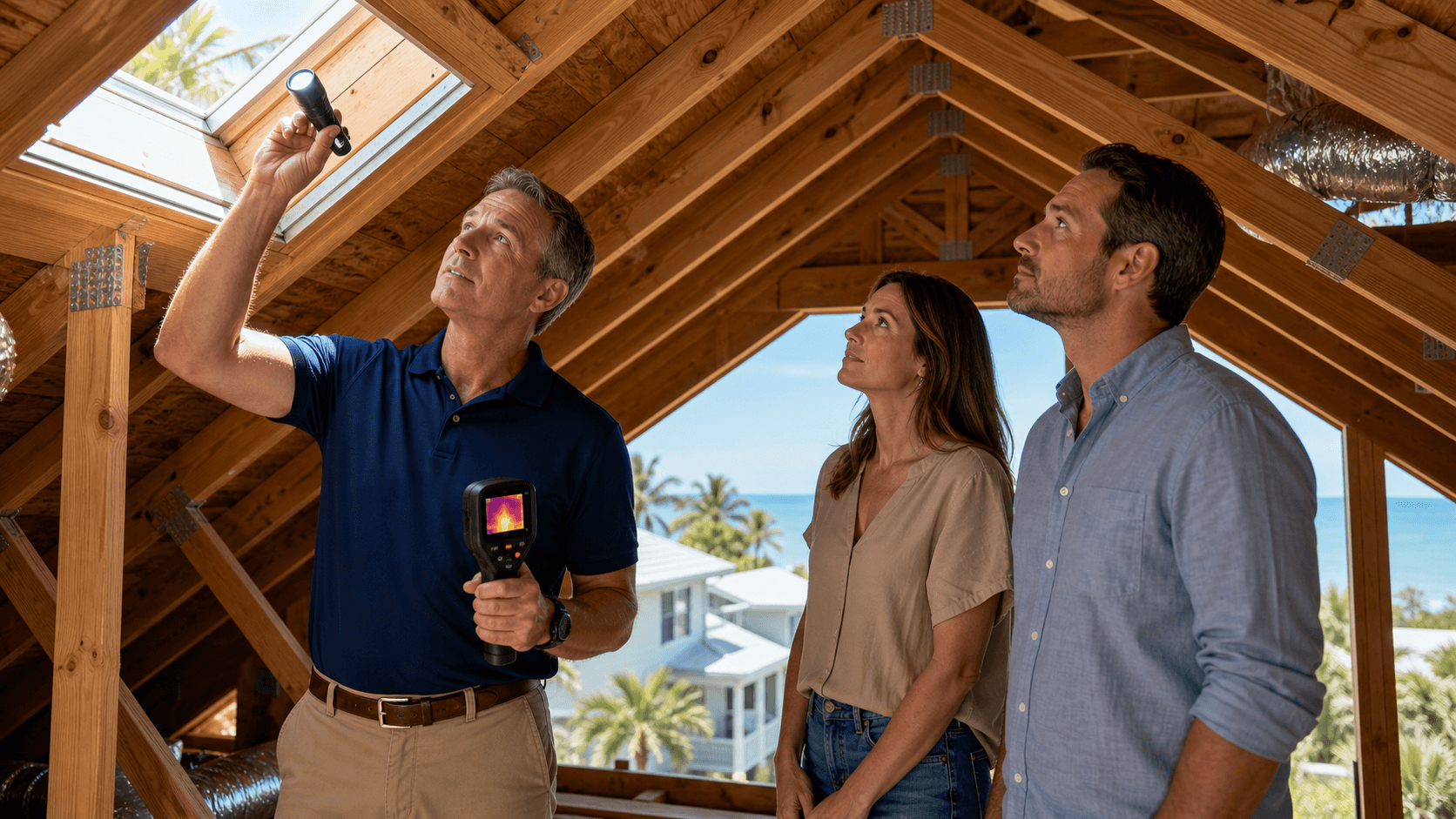
- In attics near vents or roof penetrations
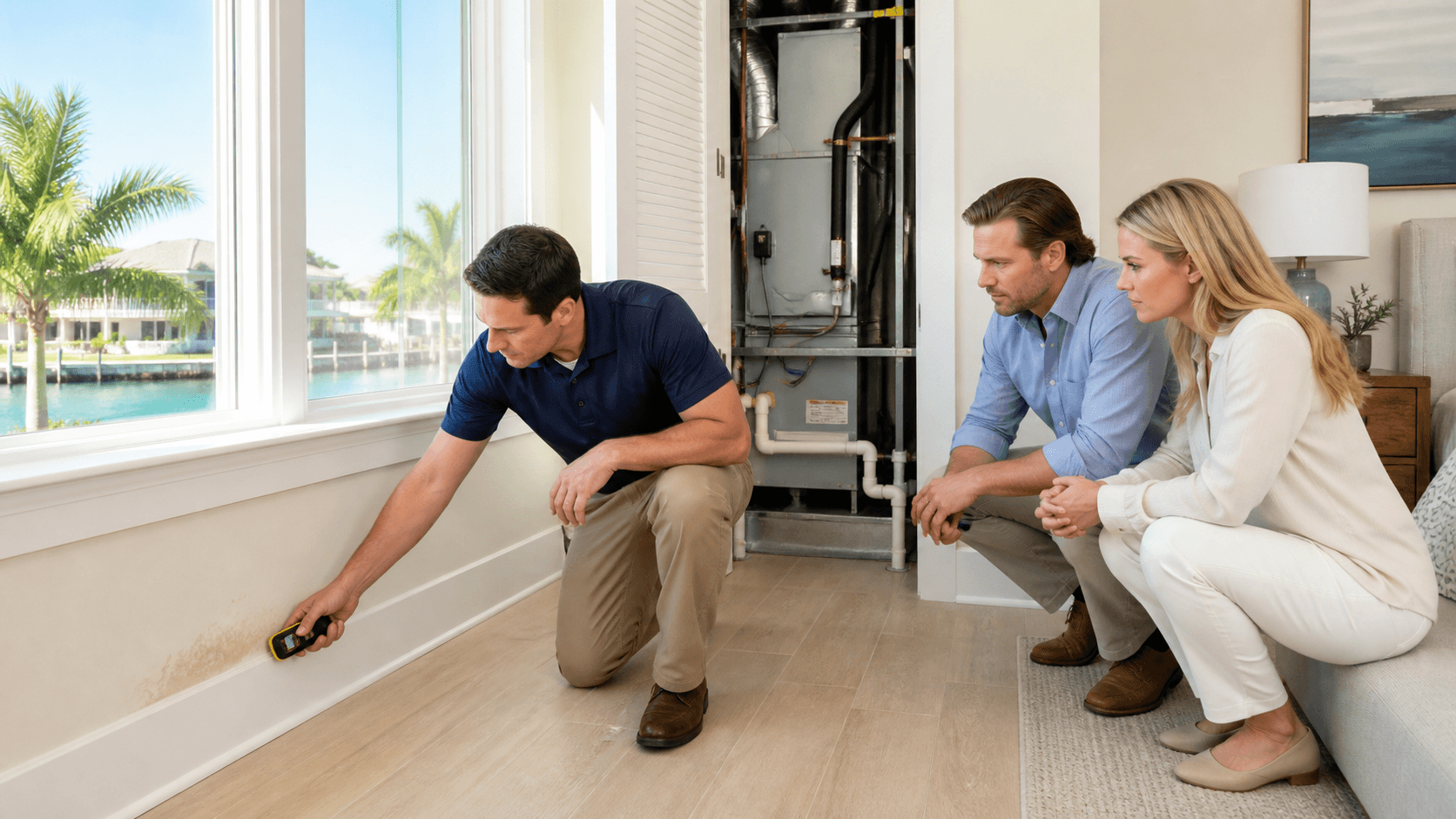
- Around AC air handlers and ductwork
Many buyers skip a dedicated mold inspection in Sarasota to save a little money during the contract period. Then they move in, start a renovation, and open up walls that have been damp for a long time. The cleanup can be much more stressful than a careful inspection would have been.
The smartest timing is to schedule mold testing at the same time as, or right after, the main home inspection. That way you can compare both reports, ask better questions, and still have time in your due diligence period to negotiate repairs or credits if needed.
Moisture Sources Gulf Coast Buyers Often Miss
Sarasota and nearby Gulf Coast areas have moisture challenges that are different from drier inland locations. Even well-kept homes can take a beating from storms and salty air. Common moisture entry points include:
- Roof leaks around vents, skylights, or flashing
- Sliders and windows that are not sealed tight
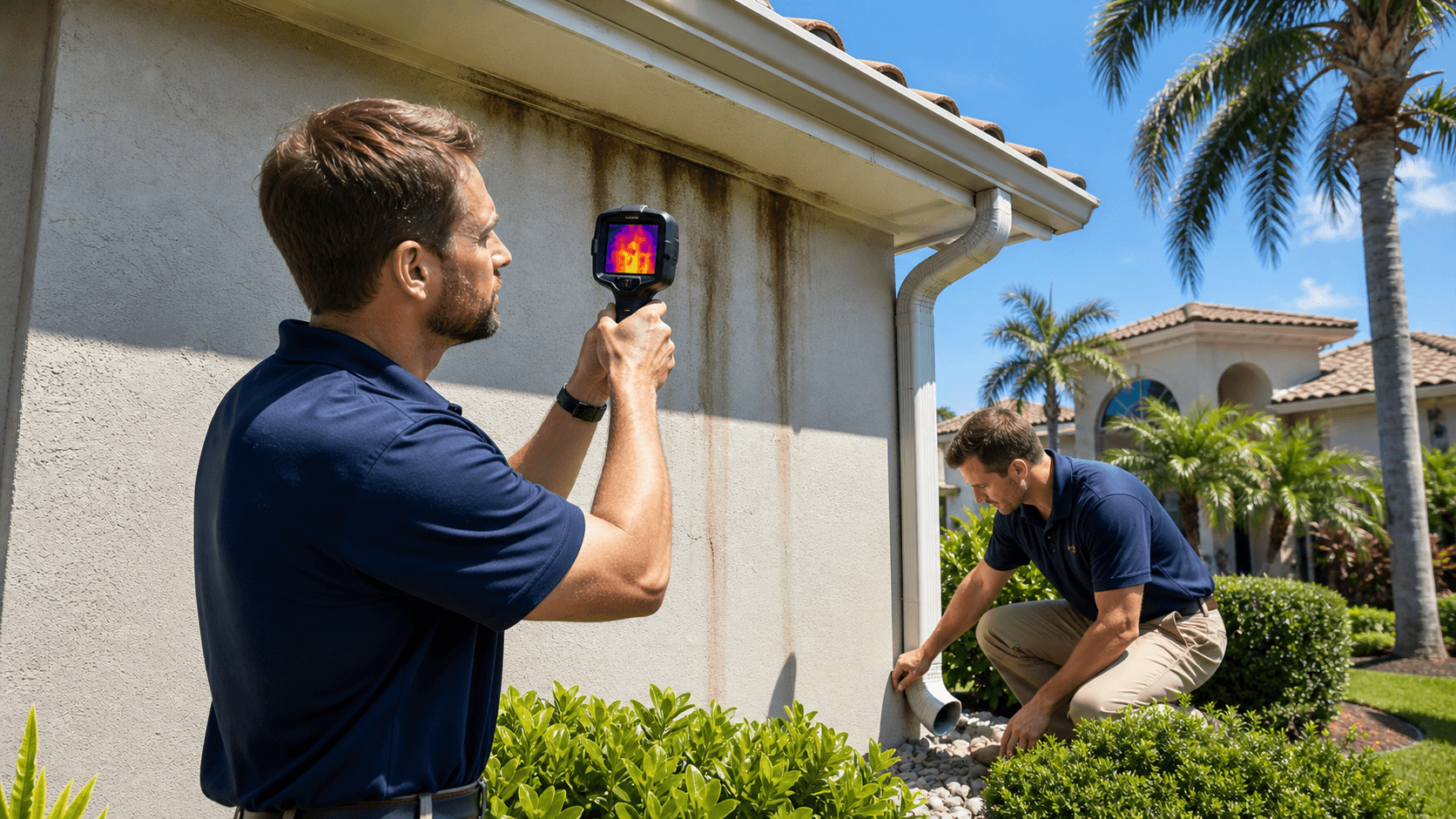
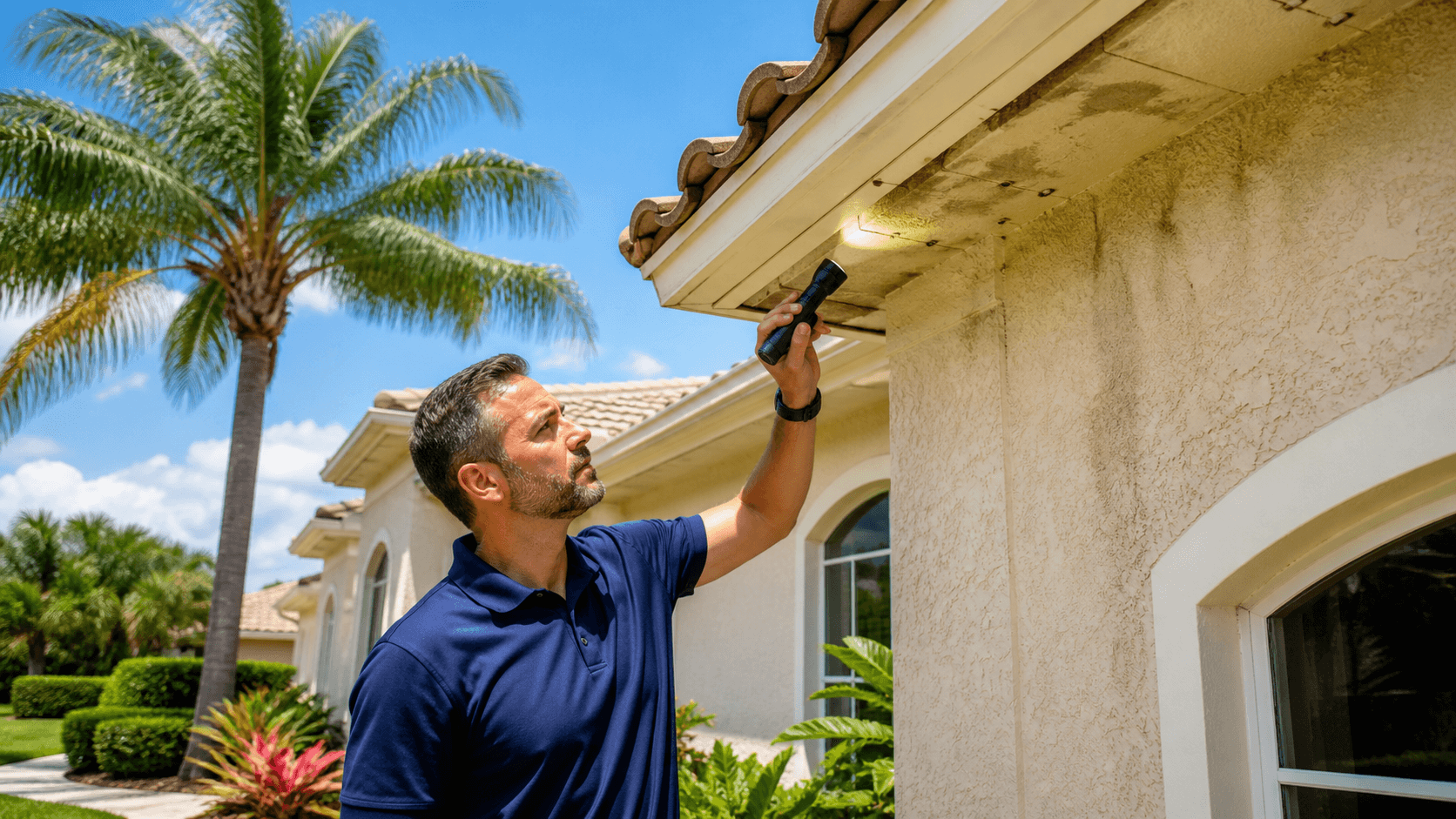
- Hairline cracks in stucco that slowly let water in
- High water tables that affect slabs or crawlspaces
Coastal wind-driven rain can push water into tiny gaps that do not look like a big deal at first. Salt in the air can speed up wear on seals, fasteners, and finishes. Over time, this mix leads to small but constant leaks that feed mold growth.
In hot, humid months like late summer, we pay extra attention to:
- Attics, for poor ventilation and roof leaks
- Crawlspaces or lower levels, for dampness and poor drainage
- Areas around HVAC equipment, for condensation and clogged drains
A skilled inspector will not just look with a flashlight and move on. We use tools like moisture meters and thermal imaging to spot damp areas behind surfaces, and we think about airflow and ventilation, not just visible mold spots. Often, the problem is the conditions that allow mold to grow, not only the growth you can see right now.
Why Sight and Smell Alone Do Not Work
Many buyers walk into a house and think, "It smells fine, so there is no mold." In Sarasota's climate, that can be a bad assumption. AC systems keep homes cool and closed up, so mold can grow in areas with very little air movement.
Professional mold testing goes beyond the nose and eyes. A full mold inspection in Sarasota often includes:
- Air sampling, to measure spore levels inside
- Surface sampling, if visible growth or staining is found
- Comparing indoor samples to outdoor samples, to see if there is an indoor source
Common mistakes we see buyers make include:
- Ignoring a faint musty smell in a closet or laundry room
- Believing heavy air fresheners mean the home is "clean"
- Assuming old water stains are only cosmetic, without testing
A strong mold inspection blends visual work with instruments and lab analysis. We are not guessing, and we are not relying on a quick walk-through. We are gathering actual data you can use to decide what to do next.
Special Mold Risks in Sarasota Condos
Condos bring their own set of moisture and mold concerns. Many buyers focus only on the inside of the unit and forget everything happening around it. In shared buildings, issues in one area can easily affect another.
Extra risks in Sarasota condos include:
- Shared plumbing stacks that can leak into multiple units
- Common walls where water from a neighbor's leak can travel
- Roof decks or flat roofs that hold standing water
- HVAC systems or lines that serve more than one space
It is also easy to ignore spaces just outside the unit, like:
- Hallways and stairwells
- Roof areas directly above your ceiling
- Mechanical rooms or garage areas below your floor
Before closing, it helps to review association records and ask about:
- Past water intrusion events
- Any building-wide mold remediation history
- Drainage, roof replacement, and AC system upgrades
An inspector who knows condo buildings can help explain where the association's responsibility usually ends and where yours begins. That way, you are not surprised later if a moisture issue falls on your side of the line.
Choosing the Right Mold Inspector in Sarasota
Picking the right person for a mold inspection in Sarasota matters as much as deciding to have one. You want someone who understands Florida construction and our humid coastal environment.
Things to ask about include:
- Training and experience with local homes and condos
- Familiarity with stucco, tile roofs, and common Florida building styles
- Regular use of tools such as infrared cameras, moisture meters, and hygrometers
- Whether they provide a clear, photo-rich, report with straightforward next steps
It can be tempting to choose only by the lowest price or fastest schedule, especially in the busy late-summer buying season. But value comes from a careful inspection, strong communication, and a report you can actually understand.
Many buyers find it helpful to combine services with the same inspector, such as a standard home inspection, mold inspection, wind mitigation, and 4-point inspection. This gives a more complete view of the home's overall condition and how all the pieces fit together.
Avoiding these common mold mistakes can help protect your health, your investment, and even your ability to negotiate with the seller if problems show up. At Sarasota Home Inspections, we focus on helping buyers see the full picture before they sign on the dotted line.
Frequently Asked Questions About Mold Inspections in Sarasota
What Makes a Mold Inspection in Sarasota Different From Other Areas?
Sarasota homes face constant moisture from humidity, heavy rains, and coastal conditions, so mold inspections here pay closer attention to water entry points, ventilation, and hidden condensation areas than in drier regions.
Do I Need a Mold Inspection If I Already Have a Home Inspection?
Yes, most standard home inspections do not include mold sampling or lab analysis, and they usually only note obvious moisture or visible growth, not the full scope of an indoor mold problem.
Best Time of Year for a Mold Inspection in Sarasota
Late summer and early fall are great times because humidity and storm activity are high, which makes current leaks, condensation issues, and mold-friendly conditions easier to spot during an inspection.
Can a Seller Refuse a Mold Inspection During Contract Period?
A seller can say no, but that is usually a warning sign, and many buyers choose to insist on reasonable inspection access or reconsider the deal if they cannot properly evaluate mold risks.
How Long Does a Typical Mold Inspection and Report Take in Sarasota?
Most mold inspections take a few hours on site, and written reports with lab results are often ready within a few days, depending on the size of the property and how much testing is needed.
About the Author
Dane Champlin is a contributor to Sarasota Home Inspections, a locally focused inspection company providing detailed residential, mold, wind mitigation, 4-point, infrared, and condo inspections throughout Sarasota and nearby Gulf Coast communities.
Protect Your Home And Health With Expert Mold Detection
If you have noticed musty odors, stains, or recent moisture issues, now is the time to schedule a professional mold inspection in Sarasota. At Sarasota Home Inspections, we use detailed, evidence-based evaluations to identify problems early so you can address them before they spread. Reach out today to get clear answers and practical next steps, or contact us with any questions about your specific situation.