Older Home Clarity Starts with a Methodical Inspection
An older home can be full of character, interesting details, and a location in an established Sarasota neighborhood. It can also have aging materials, repairs from different decades, and major systems that are closer to the end of their serviceable life. When we inspect an older property, our job is to give you a clear picture of its visible condition on the day of the inspection.
Age does not decide whether a home is in good shape. We often see well-cared-for older homes that have received steady maintenance, along with newer homes where small concerns were left alone for too long. A detailed visual inspection helps us point out observable issues, explain why they matter, and help you understand where a qualified repair professional may be needed.
Sarasota's heat, humidity, strong sun, and seasonal rainfall also shape what we look for. Long-term moisture exposure can affect older materials in ways that may not be obvious during a quick walk-through.
Age, Records, and Renovations Tell the Real Story
Before we form conclusions about an older home, we consider its approximate age, visible construction methods, and signs that areas have been repaired or remodeled. Many properties have been updated in stages. A kitchen may be newer than the bathrooms, for example, while some original features remain elsewhere in the home.
Visible clues can help us understand where changes may have occurred:
- Flooring or wall finishes that change from room to room
- Windows, fixtures, cabinetry, or doors that appear newer than nearby materials
- Attic insulation or framing areas that show evidence of past work
- Electrical, plumbing, or cooling components that have been replaced at different times
Available records can add helpful context. Permits, invoices, warranties, and repair receipts may clarify the age of a roof covering, water heater, cooling equipment, or other major component. We encourage you to keep and review this paperwork because it can make maintenance history easier to understand.
Still, an inspection is based on what we can see and access. Finished walls, ceilings, and floors can hide conditions behind them. If visible signs raise a concern about past work, we may recommend further evaluation by the right qualified specialist rather than making assumptions about concealed areas.
Moisture, Structure, and Systems Need Careful Attention
Water has a way of leaving clues behind. During an inspection, we look for visible signs of moisture around ceilings, walls, windows, doors, plumbing fixtures, and exterior transitions. Staining, discoloration, deteriorated finishes, and musty odors can all point to conditions that deserve a closer look.
Structural observations matter, too. Accessible foundation areas, floor movement, wall cracking, door operation, ceiling irregularities, and visible framing can tell part of the story. Not every crack means there is a major structural issue. Its location, pattern, and surrounding conditions help us decide whether further assessment is appropriate.
Older systems also deserve thoughtful review. A home inspector in Sarasota will examine visible and accessible components for safety, function, and signs of aging, including:
- Accessible electrical panels, wiring, outlets, switches, and fixtures
- Visible plumbing supply lines, drain lines, fixtures, and water heaters
- Heating and cooling equipment, accessible ductwork, condensate components, and ventilation
- Signs of leakage, corrosion, modifications, or deferred maintenance
Electrical systems in older homes may have been changed as appliances, remodeled spaces, or modern equipment were added. Plumbing may include a mix of materials from different periods. Cooling performance and humidity control are especially important in Sarasota, where indoor moisture can affect comfort and building materials over time.
Sarasota Climate Leaves Important Clues Behind
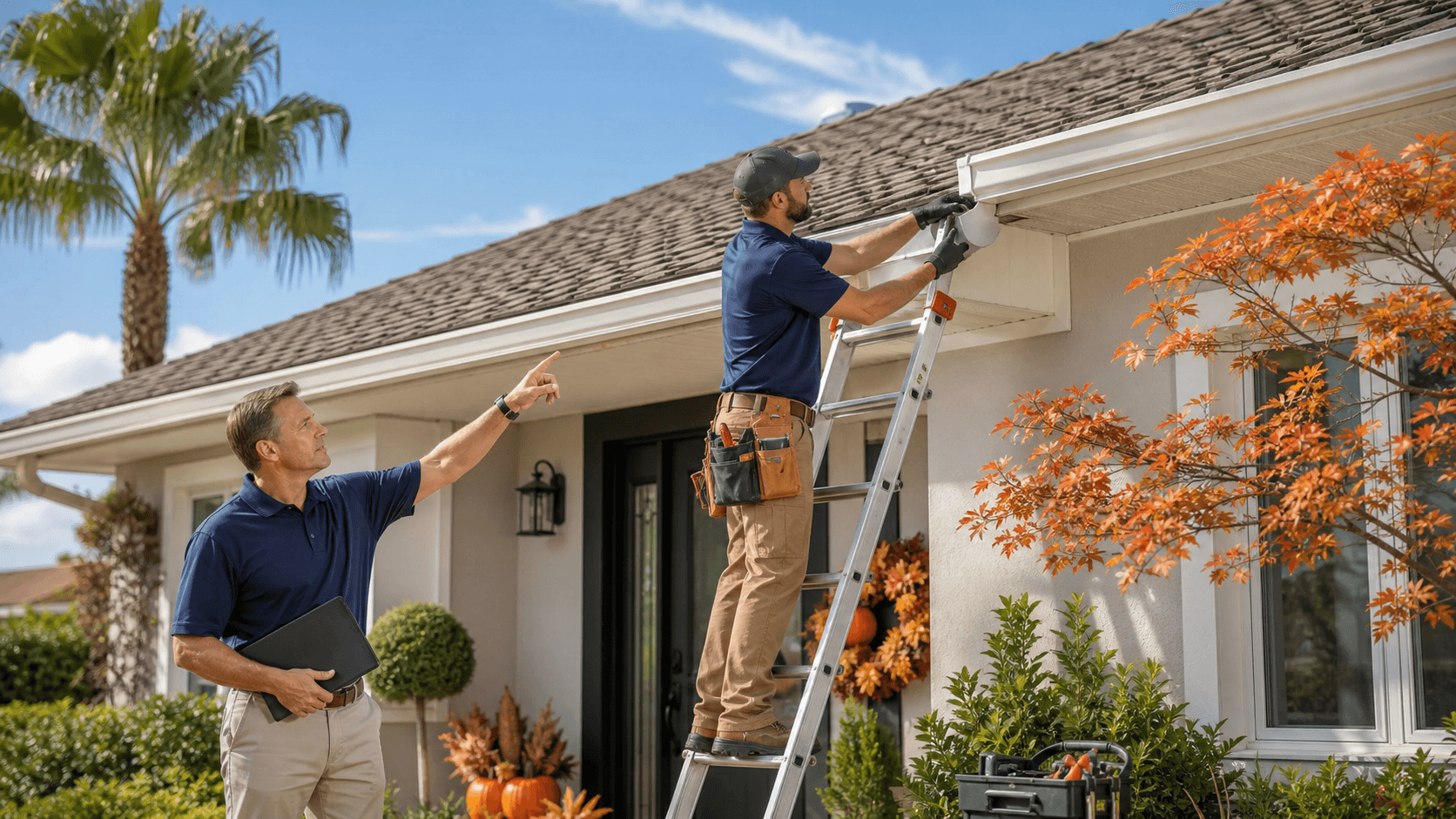
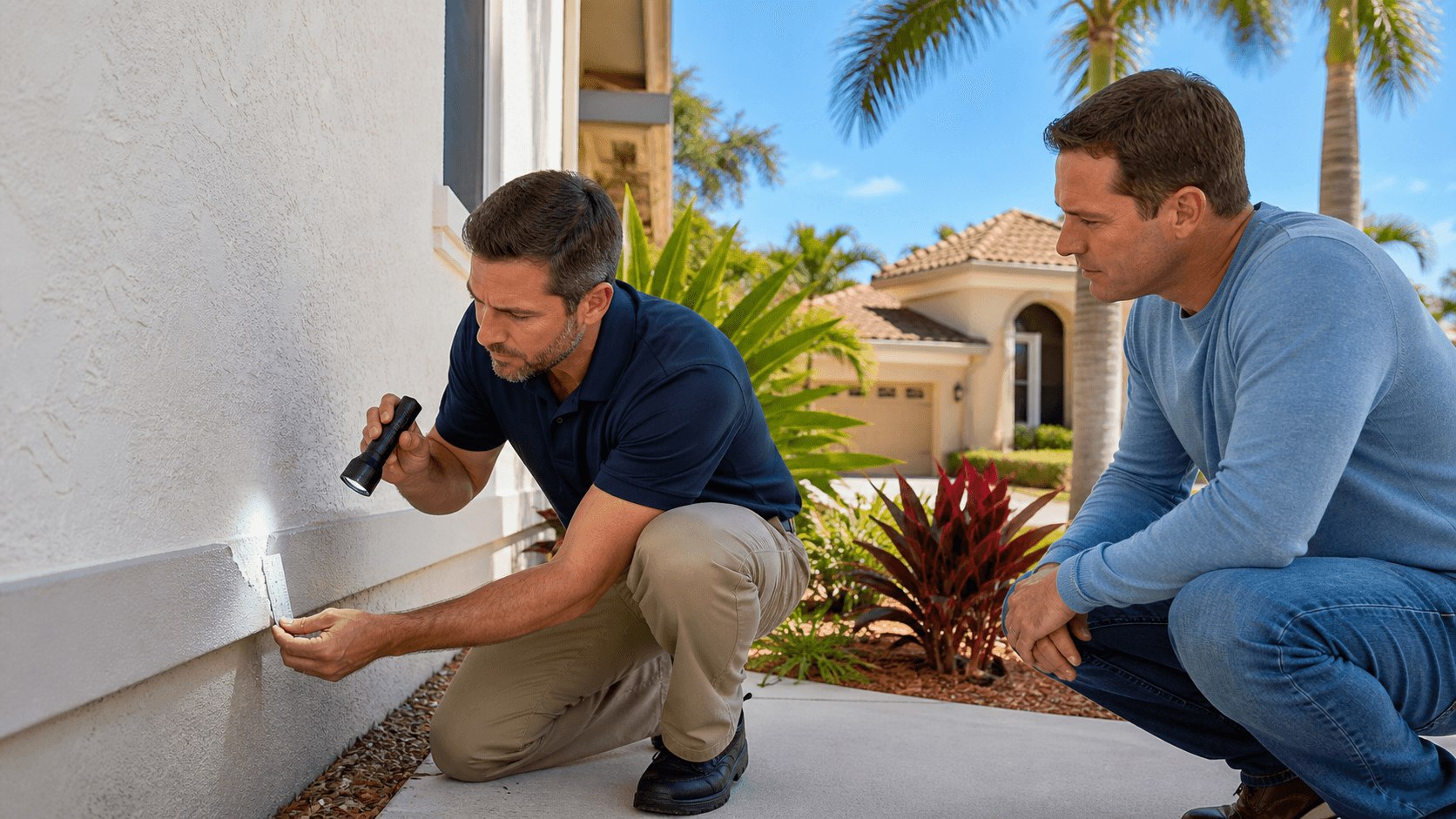
The local environment is always part of the inspection picture. Heat, humidity, sun exposure, and heavy rain can wear on exterior surfaces and create openings where water can enter. We pay close attention to siding, stucco, trim, sealants, windows, doors, patios, decks, and the transitions between these materials.
Water management around the home is equally important. Grading, gutters, downspouts, and surface drainage can influence whether rainwater moves away from the structure or collects near it. Addressing visible drainage concerns early may help prevent more involved maintenance later.
Accessible attic spaces can reveal conditions that are easy to miss from the living area below. We look for insulation conditions, signs of moisture, ventilation concerns, and visible roof structure observations. In late summer and early fall, after months of heat and rainfall, it is a good time to pay close attention to indoor humidity, cooling performance, drainage, and exterior maintenance needs.
An inspection report should turn observations into a practical plan. Buyers can ask informed questions and seek estimates from qualified professionals before making final decisions. Sellers can address visible concerns and reduce surprises. Homeowners can track aging components, monitor changes, and plan maintenance before smaller issues grow.
The goal is not to expect an older home to be perfect. It is to understand what is working well, what needs attention now, and what may belong on a future maintenance plan.
Gain Clarity Before Your Next Decision
For a detailed look at an older property, work with a home inspector in Sarasota who understands the considerations these homes can present. At Sarasota Home Inspections, we provide clear findings to support informed decisions about a home's condition. When you are ready to discuss your inspection needs, contact us to get started.
Frequently Asked Questions
What Does A Home Inspector Look For In An Older Sarasota Home?
We evaluate visible and accessible components such as structural elements, exterior surfaces, interior finishes, plumbing, electrical components, heating and cooling equipment, attic areas, drainage conditions, and signs of moisture or deferred maintenance.
Are Older Homes Always More Expensive To Maintain?
Not necessarily. Maintenance needs depend on the home's present condition, past updates, quality of visible repairs, and how consistently the property has been cared for. An inspection can help you identify likely priorities and plan ahead.
Can An Inspection Tell Me Whether Past Renovations Were Done Correctly?
We can identify visible concerns, inconsistencies, and conditions that may need more review. Because finished surfaces can limit what is visible, we may recommend a qualified specialist when questions involve concealed areas or work beyond the scope of a visual inspection.
Why Is Moisture A Concern In Older Sarasota Homes?
Humidity and seasonal rainfall can contribute to moisture-related deterioration over time. We look for visible signs of water entry, damaged finishes, drainage concerns, and conditions that may affect wood, insulation, flooring, and other materials.
Should Homeowners Schedule An Inspection Even If They Are Not Selling?
Yes. A periodic inspection can help you monitor aging systems, identify maintenance needs, and address visible concerns before they become more extensive.
Dane Champlin is a Certified Master Inspector with Sarasota Home Inspections. We provide detailed residential property inspections for buyers, sellers, and homeowners throughout Sarasota and nearby communities, with a focus on thorough reporting, clear communication, and informed property decisions.